
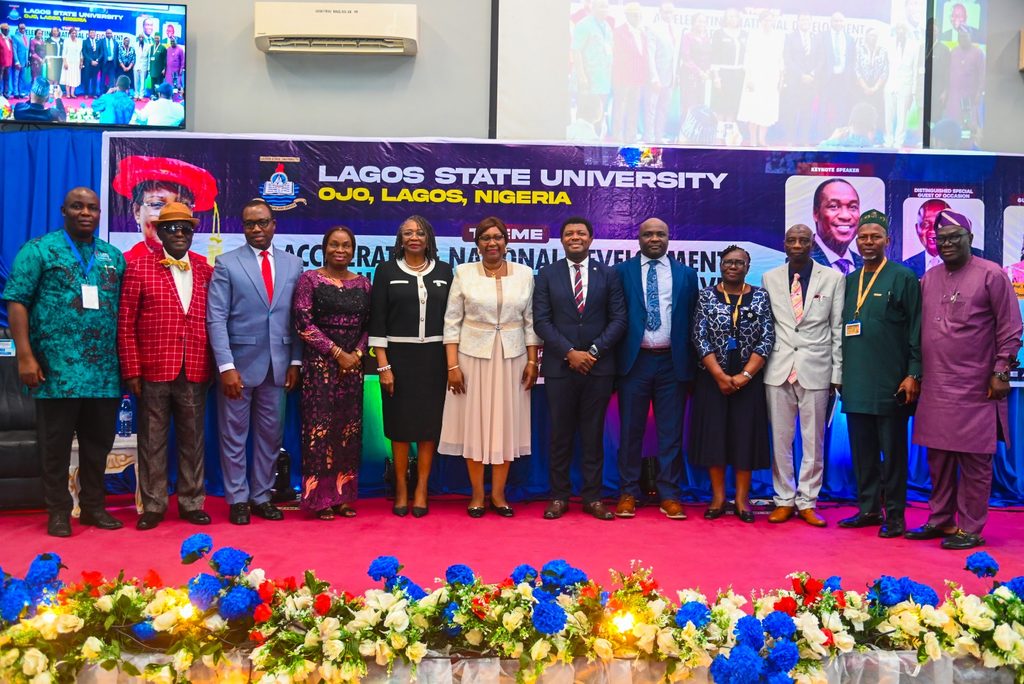
The 8th Lagos State University Research and Innovation Fair, with the theme *“Accelerating National Development through Artificial Intelligence-Driven Research and Innovation”*, has called for stronger homegrown research, ethical Artificial Intelligence (AI) governance, and strategic collaboration to harness AI for national development.
The two-day Fair, held at Aderemi Makanjuola Lecture Theatre, LASU Main Campus, Ojo, Lagos, on Tuesday, 8th September and Wednesday, 9th September 2026, brought together researchers, academics, innovators and other stakeholders to explore how AI-driven research could be translated into practical solutions to Nigeria’s socio-economic challenges.
The Chairman of the occasion who is also the Pro-Chancellor and Chairman, Lagos State University Governing Council, Mr Babatunde J. *OGALA*, SAN, described the Fair as a significant platform for intellectual exchange.
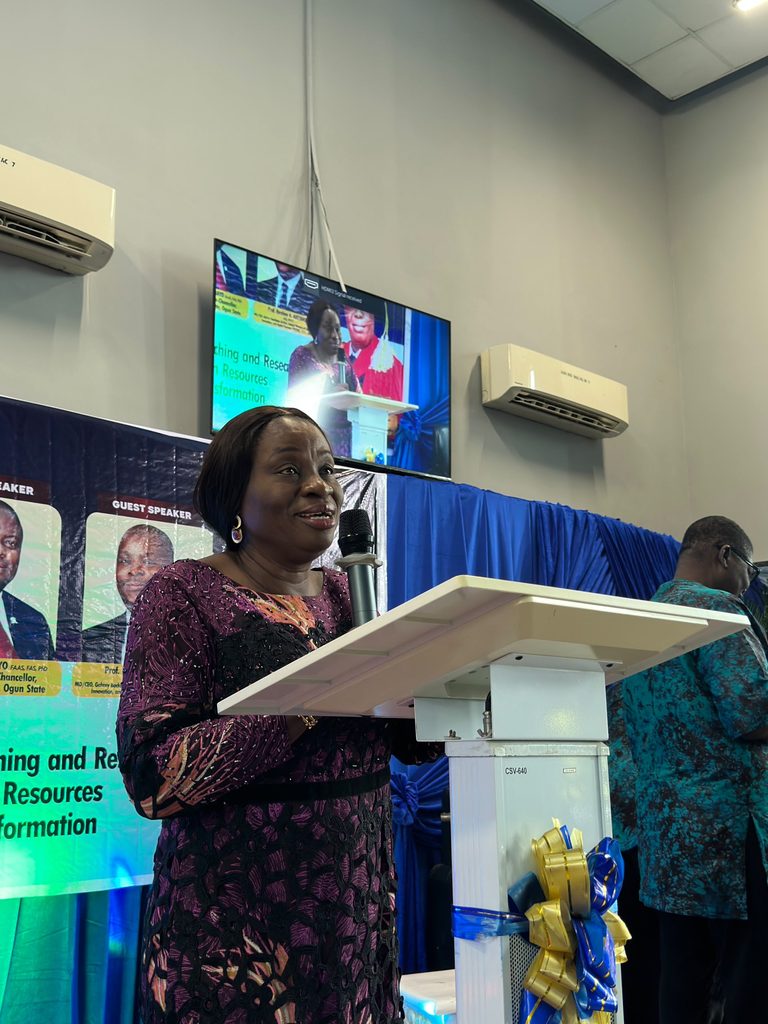
Mr *OGALA*, who was represented by a member of the University Governing Council, Mrs Taiwo *ATOLAGBE*, equally noted that its theme aptly captured the urgent need to deploy AI-driven research and innovation in addressing real-world challenges while advancing national development. He commended the Vice-Chancellor, Distinguished Professor Ibiyemi Ibilola *OLATUNJI-BELLO*, mni, NPOM, for creating an enabling environment for research and innovation to thrive. He acknowledged the University community and the Central Planning Committee, led by Professor Adejuwon A. *ADENEYE*, for their contributions to the success of the Fair.
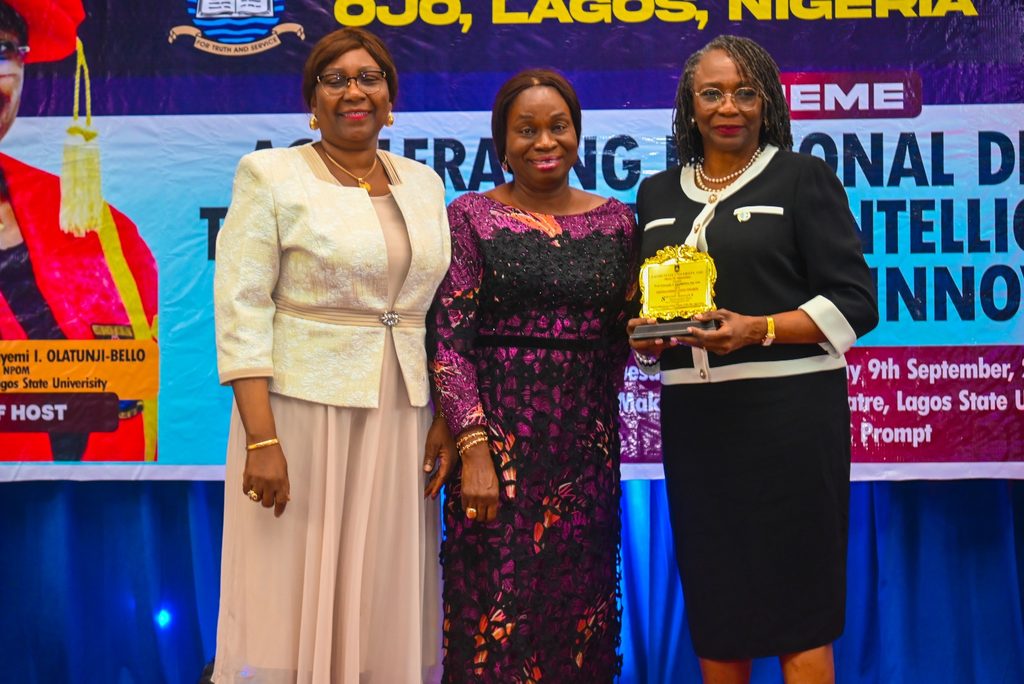
Speaking on the theme, the Chief Host and Vice-Chancellor, Distinguished Professor Ibiyemi Ibilola *OLATUNJI-BELLO*, mni, NPOM, stressed that the University’s engagement with AI must go beyond simply adopting emerging technologies. She called for research and innovation that respond specifically to Nigerian realities, stronger interdisciplinary collaboration, and partnerships with government and industry to translate academic discoveries into practical solutions.
The Vice-Chancellor, who noted that the Fair was the fifth and final edition held under her administration, attributed the achievements recorded through the platform to collective effort. She appreciated the Lagos State Government, researchers, innovators and the planning committee for their support, while urging participants to ensure that the ideas and innovations generated at the Fair outlive the event and translate into meaningful impact on society.
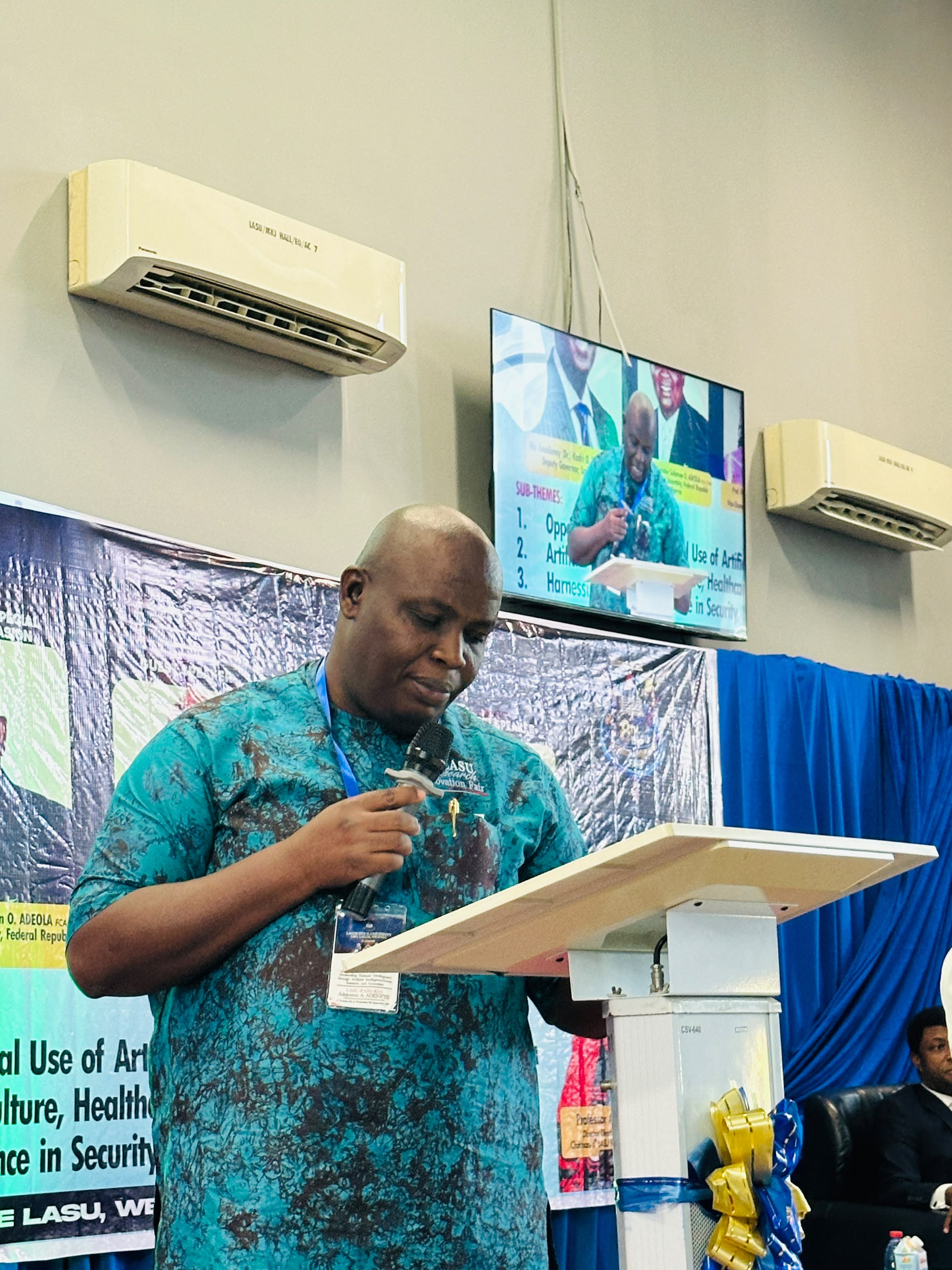
Earlier, the Director, Directorate of Research Management and Innovation, Professor Adejuwon A. *ADENEYE*, said the Fair was designed to move AI-driven research beyond academic discourse into practical and commercially viable solutions. He explained that the sessions would examine the opportunities, risks and ethical dimensions of AI, as well as its applications in agriculture, healthcare, energy, human resources, security, safety and public policy.
Professor *ADENEYE* emphasised the need to translate groundbreaking research into market-ready solutions and policy frameworks, and encouraged participants to build cross-disciplinary partnerships and engage with the innovations exhibited at the Fair.
The Guest Speaker and former Vice-Chancellor, Covenant University, Professor Abiodun H. *ADEBAYO*, FAS, FAAS, speaking on the topic *“Artificial Intelligence in Agriculture, Healthcare, Energy, and Human Resources,”*, drew attention to the often-overlooked practical work required to make AI effective in real-world settings. Using the SmartBerry project, a Knowledge Transfer Partnership with Nottingham Trent University and Ashley’s Strawberry Farms, supported by over £245,000 from Innovate UK, he illustrated how sustained experimentation and attention to local conditions could produce meaningful results. He noted that Nigeria’s slower pace of generative AI adoption compared with some other African countries was linked not only to funding but also to infrastructure, data readiness and limited AI-focused university capacity.
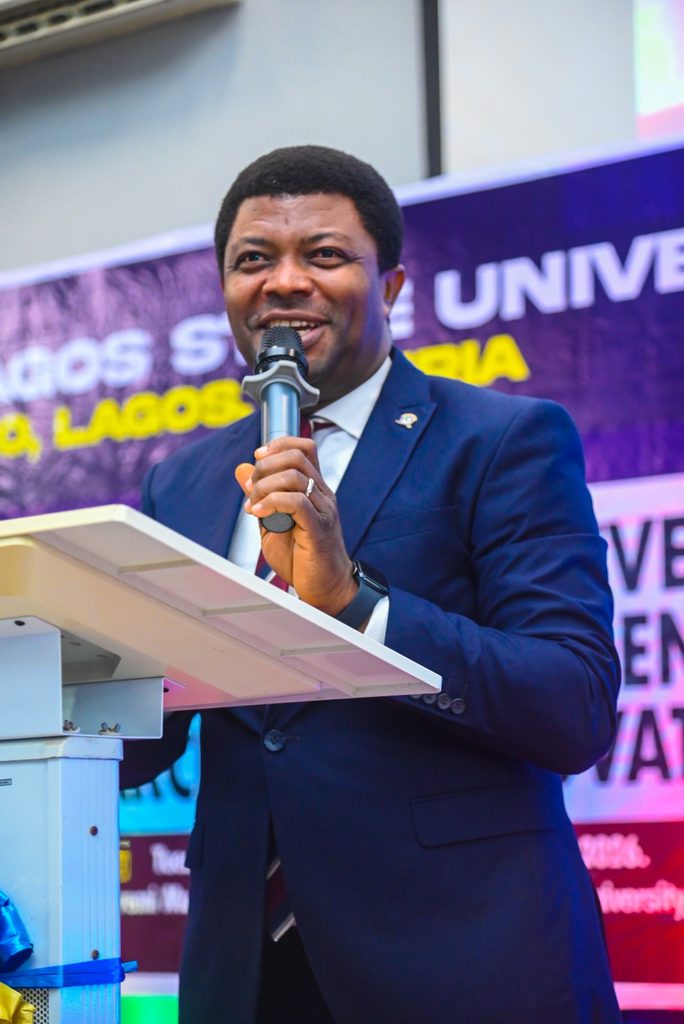
He therefore advocated AI systems that complement rather than replace local extension workers, alongside offline-first, voice, and image-based platforms capable of serving rural communities with limited connectivity. He also called for conversational AI and telemedicine services in regional languages, wider access to AI training resources, and greater use of drone and satellite technologies, while cautioning that data quality, bias, privacy, explainability and workforce readiness would ultimately determine whether AI served or sidelined the people it was designed to help.
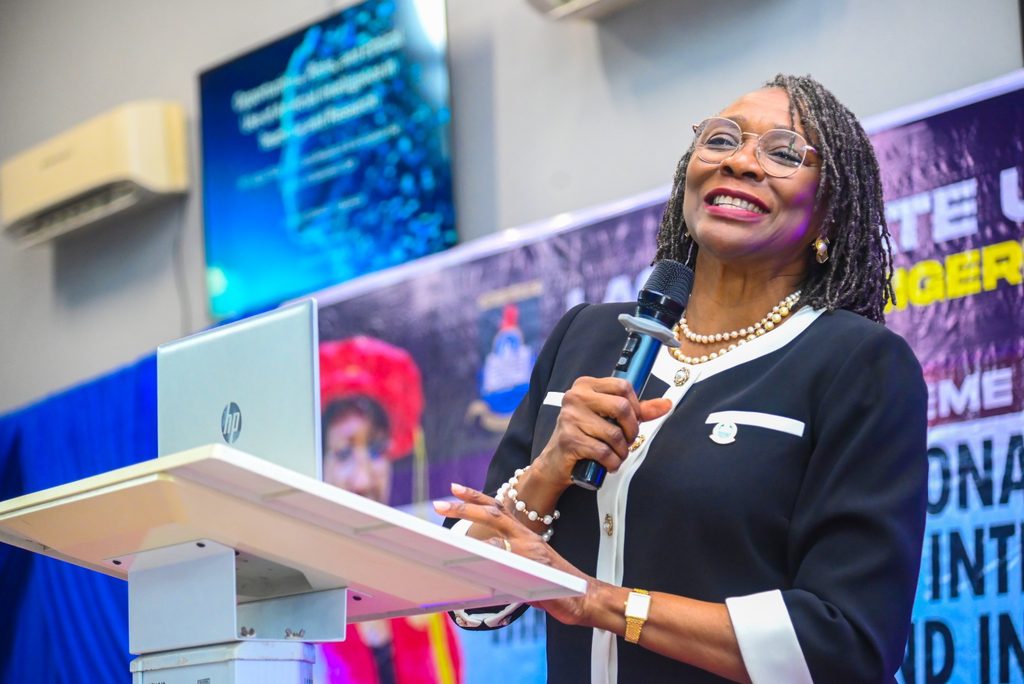
The second Guest Speaker at the Fair who is the current Vice-Chancellor of the University of Lagos, (UNILAG), Akoka, Professor Folasade *OGUNSOLA*, FAMeds, FNAMed, FAS, focused on the topic *“Opportunities, Risks, and Ethical Use of Artificial Intelligence in Teaching and Research”*. While acknowledging AI’s potential to transform education and research, she drew attention to risks that could undermine its benefits if left unchecked. She cited concerns over the reliability of AI-detection tools, noting that they had reportedly misclassified essays by non-native English speakers as AI-generated, thereby placing students in countries such as Nigeria at risk of wrongful accusations. She also raised concerns about excessive dependence on AI and its implications for memory, critical thinking and learning, particularly among young people. Against the backdrop of Nigeria’s digital-access gap and the absence of a dedicated AI governance law, Professor *OGUNSOLA* urged universities not to wait for national legislation before taking action. She recommended the establishment of institutional AI and digital governance committees to guide responsible use.
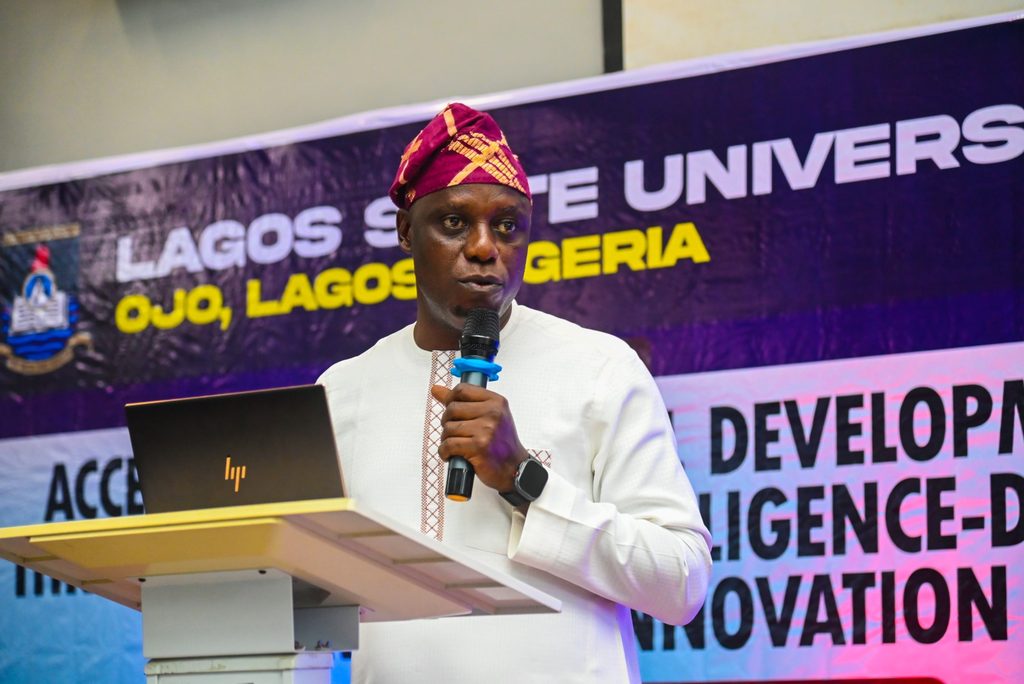
On the final day, the Chief Executive Officer, Galaxy Backbone Limited, Professor Ibrahim A. *ADEYANJU*, represented by Dr Kazeem *SULEIMAN*, examined *“Harnessing Artificial Intelligence in Security, Safety and Policy Transformation”*. He cautioned that Nigeria’s enthusiasm for AI must be matched by deliberate attention to data sovereignty, digital infrastructure and national resilience. He warned of the growing threat posed by deepfakes and AI-generated disinformation, including fabricated audio and impersonation, and stressed that the country’s regulatory systems must evolve to address these emerging threats.
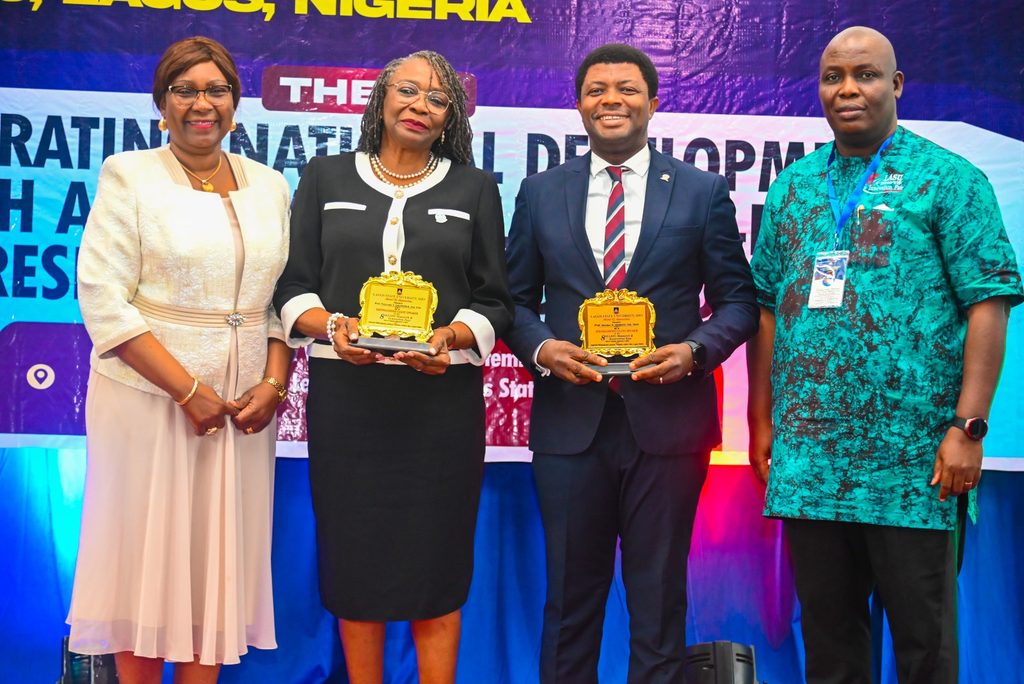
Professor *ADEYANJU* also noted that an AI strategy that failed to address Nigeria’s large digital-access gap could deepen inequality. While recognising AI’s potential to strengthen security intelligence, predictive policing and evidence-based policymaking, he insisted that algorithms must complement rather than replace human judgement and accountability.
He called for a shared national data strategy, trusted local datasets and secure digital infrastructure, urging universities to move beyond teaching students to merely use AI tools towards developing, securing and governing the technologies themselves.
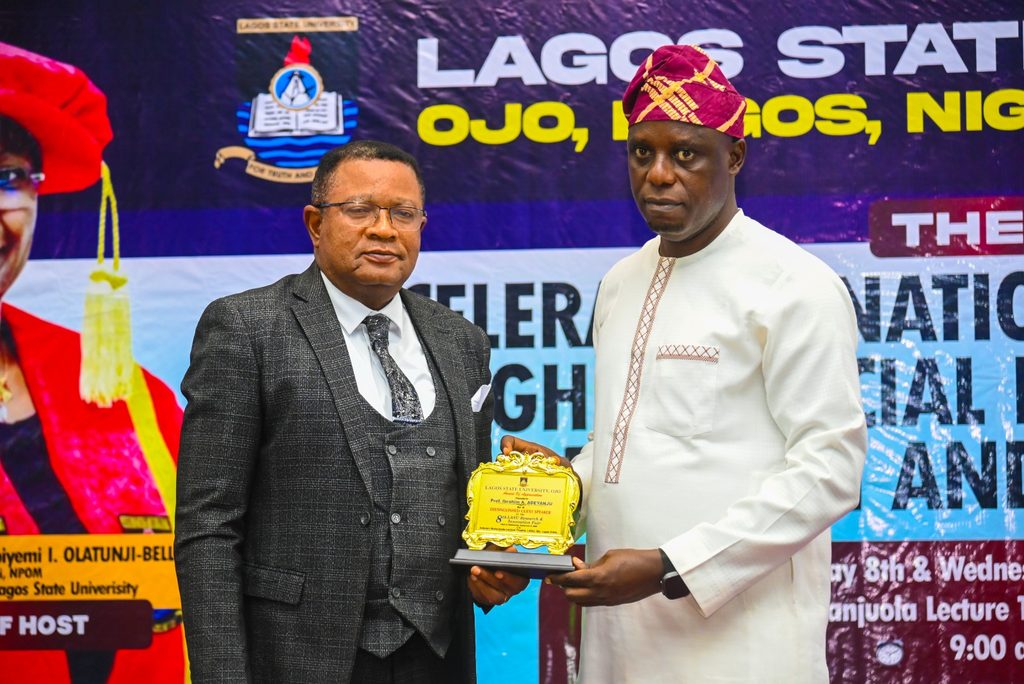
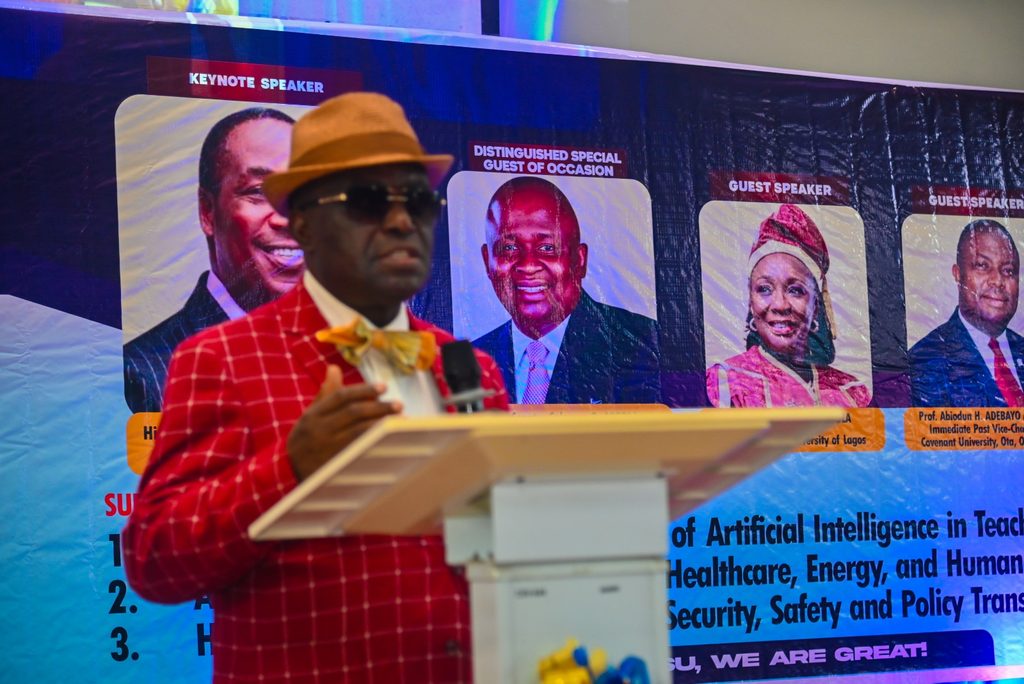
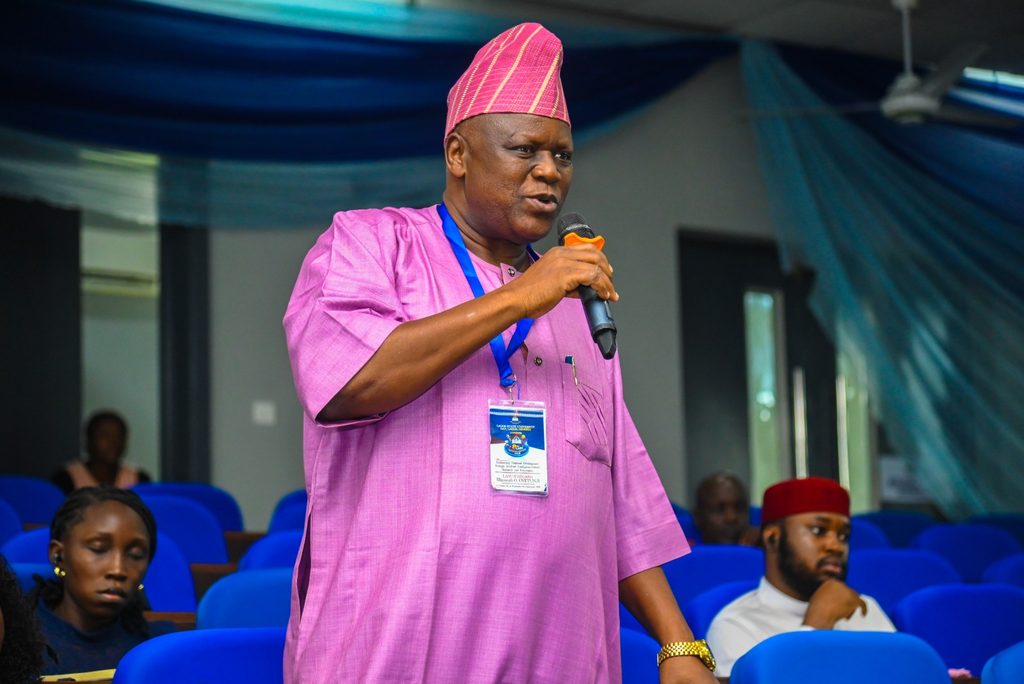
A goodwill message was also delivered by Emeritus Professor Peter A. *OKEBUKOLA*, OFR, FIAE, FSAN, on behalf of the Distinguished Professors of the University present at the Fair.
The Fair featured engaging interactive sessions and parallel scientific sessions, culminating in the presentation of awards to outstanding researchers for the best scientific presentations.
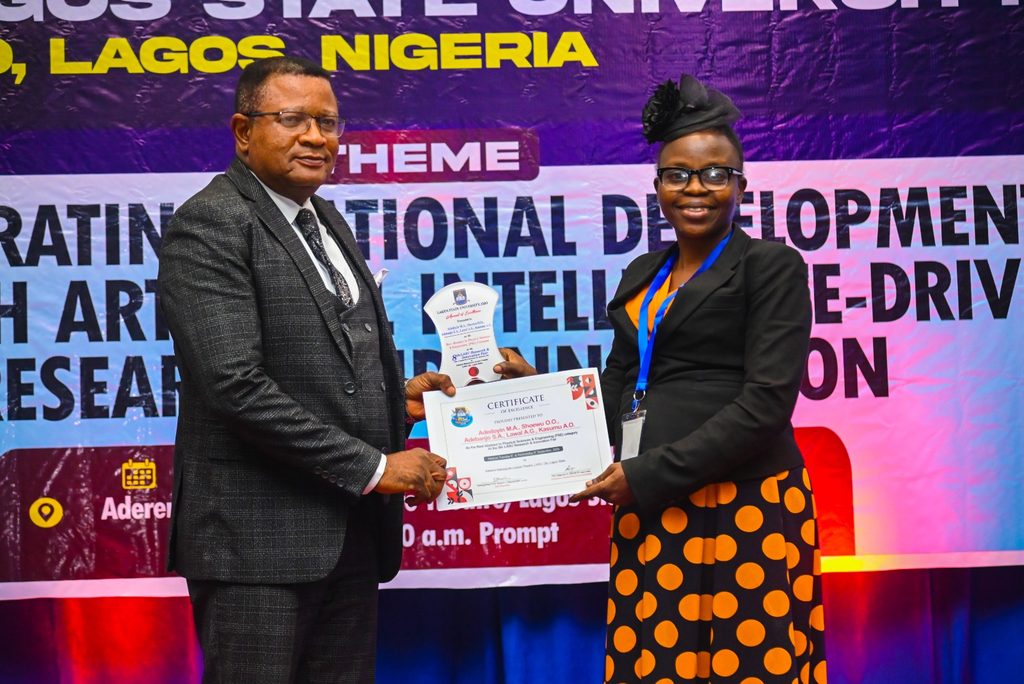
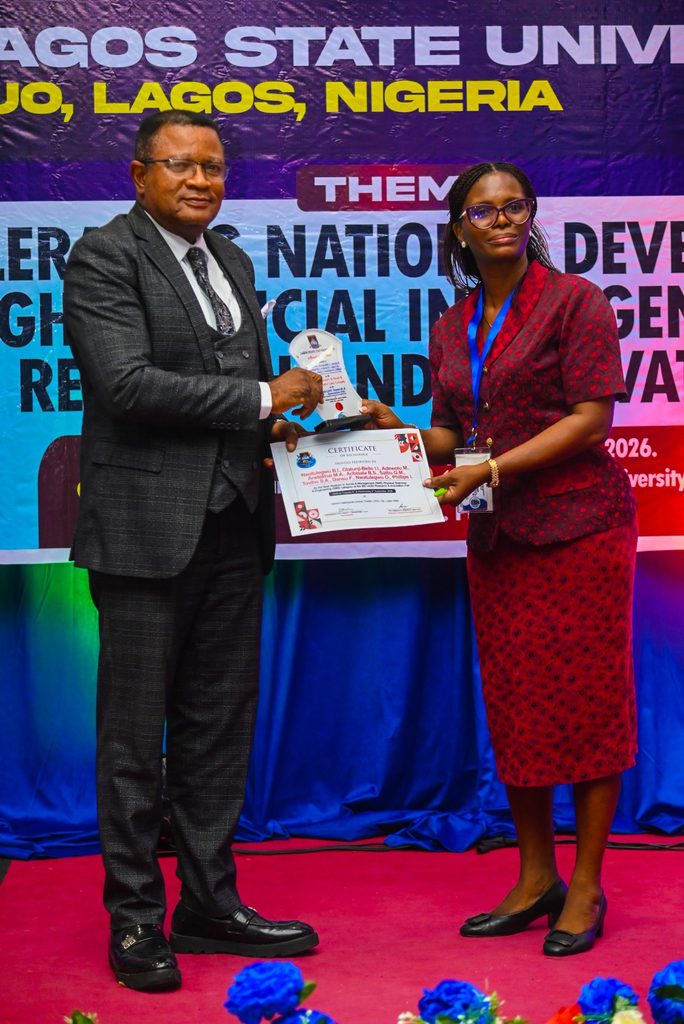
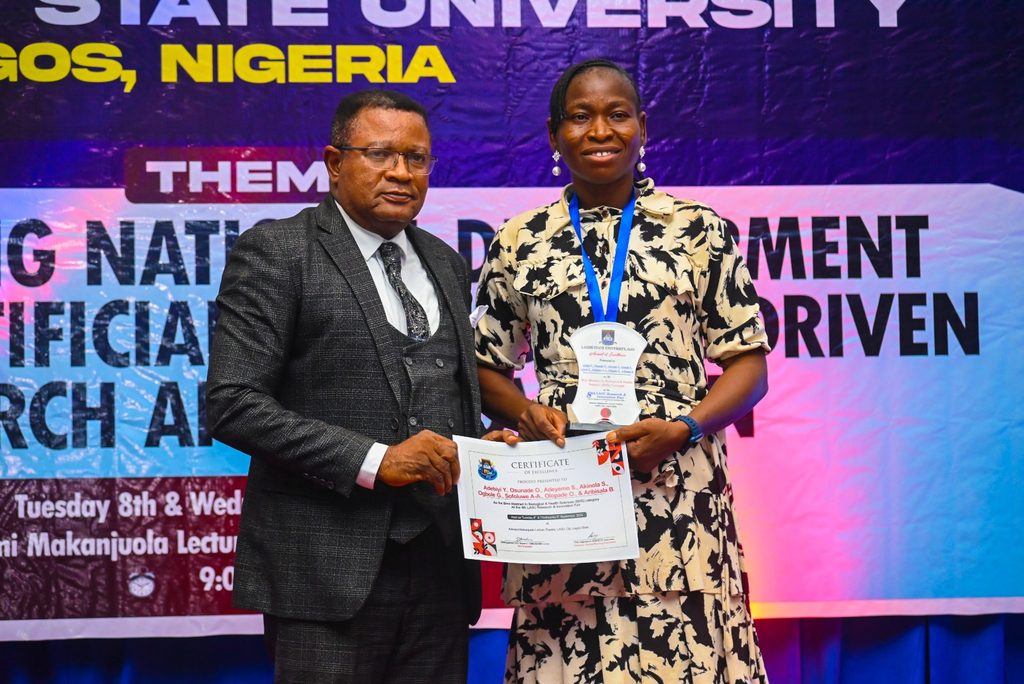
The 8th LASU Research and Innovation Fair came to a close on Wednesday, 9th September 2026, with a renewed emphasis on positioning research, innovation and Artificial Intelligence as instruments for solving Nigeria’s most pressing challenges and driving sustainable national development.
We are LASU, We are Great.
