
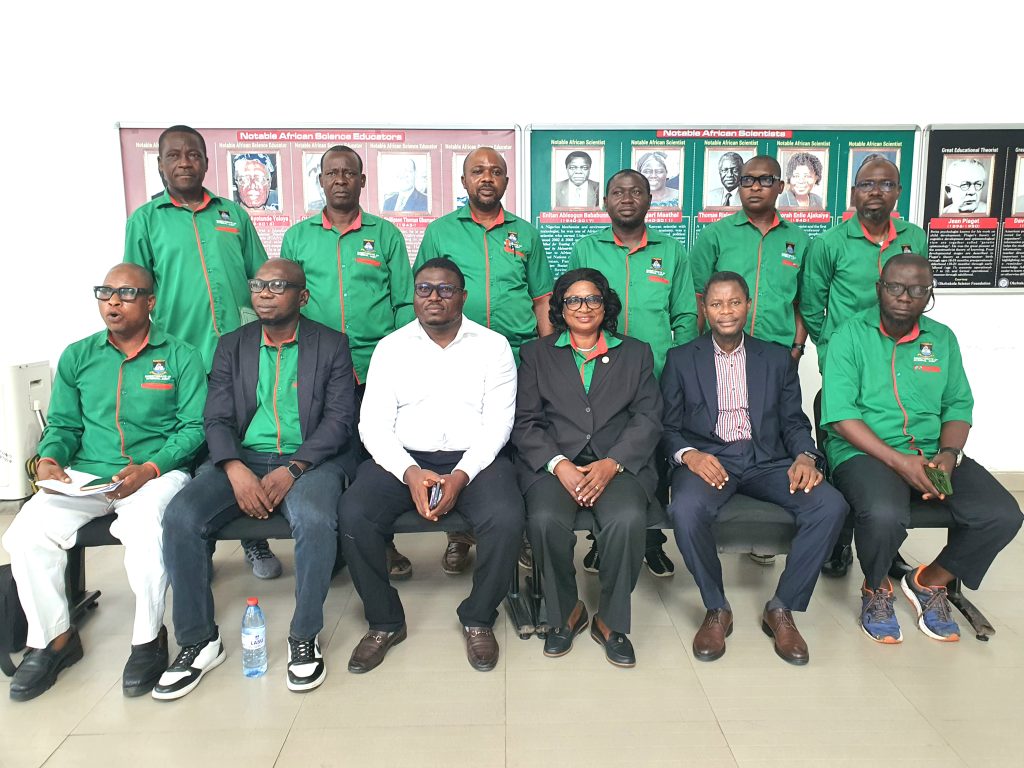
The Directorate of Internal Audit, Lagos State University, has organised an in-house training programme for its members of staff. The capacity building training was aimed at strengthening professional competence, improving operational effectiveness and promoting staff well-being.
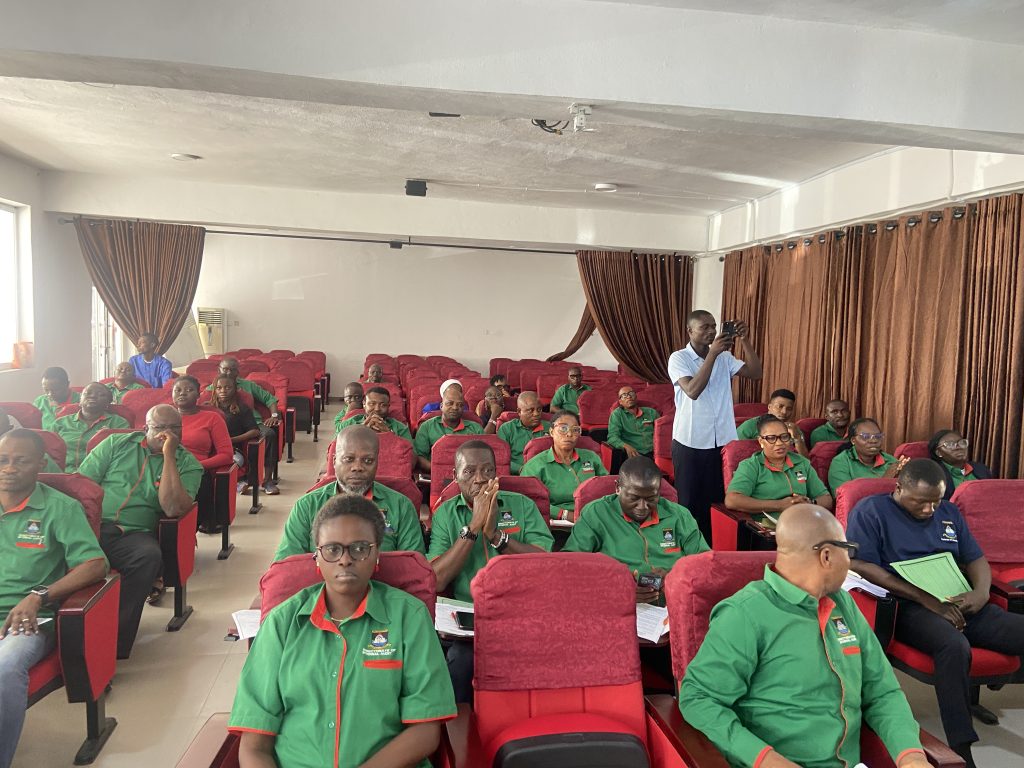
The event, held on Wednesday, 10th June 2026 at the African Centre of Excellence for Innovative and Transformative STEM Education (ACEITSE), LASU Main Campus, Ojo, Lagos, brought together members of staff of the directorate for intensive knowledge-sharing sessions centred on contemporary audit practices, health consciousness and effective reporting.
The Director, Directorate of Internal Audit, Dr M. I. OGUNKOYA, MBA, FCNA, welcomed participants, expressed appreciation to the University Management and specially acknowledged the continuous support of the Vice-Chancellor, Distinguished Professor Ibiyemi Ibilola OLATUNJI-BELLO mni, NPOM. Thereafter, she described auditors as naturally curious professionals whose strength lies in their ability to continually ask questions and seek deeper understanding. Her words, “Auditors are inherently curious, the strongest auditors are those who never stop asking questions. While others are satisfied with answers, auditors are always searching for the deeper truth” Dr Ogunkoya remarked.
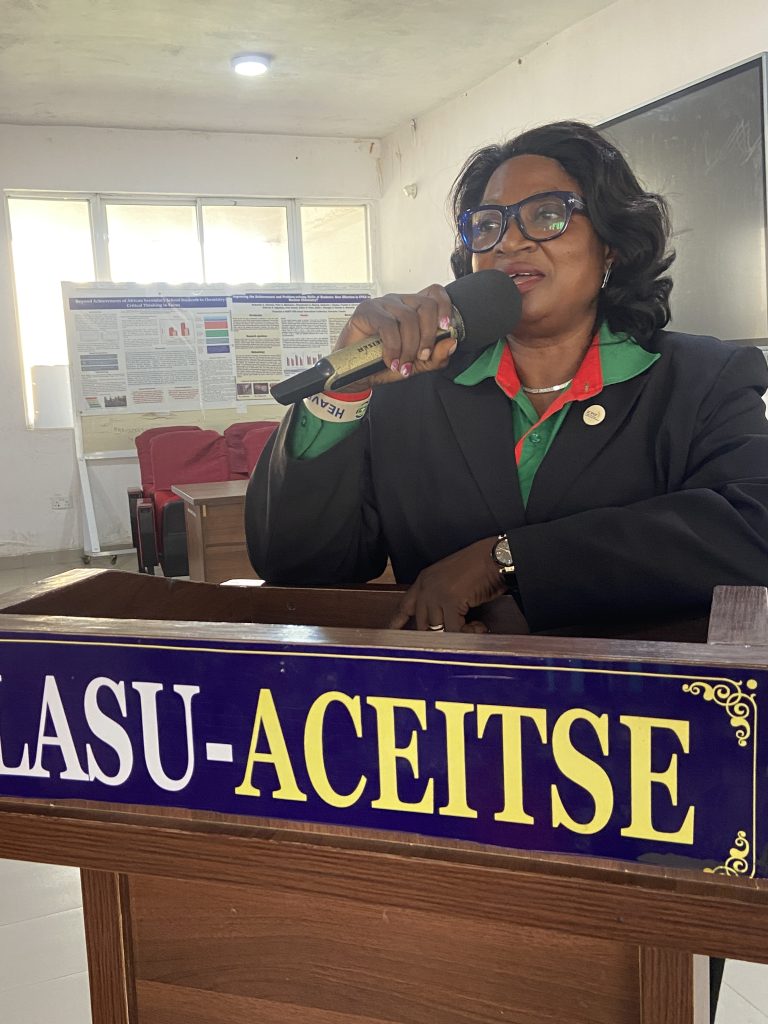
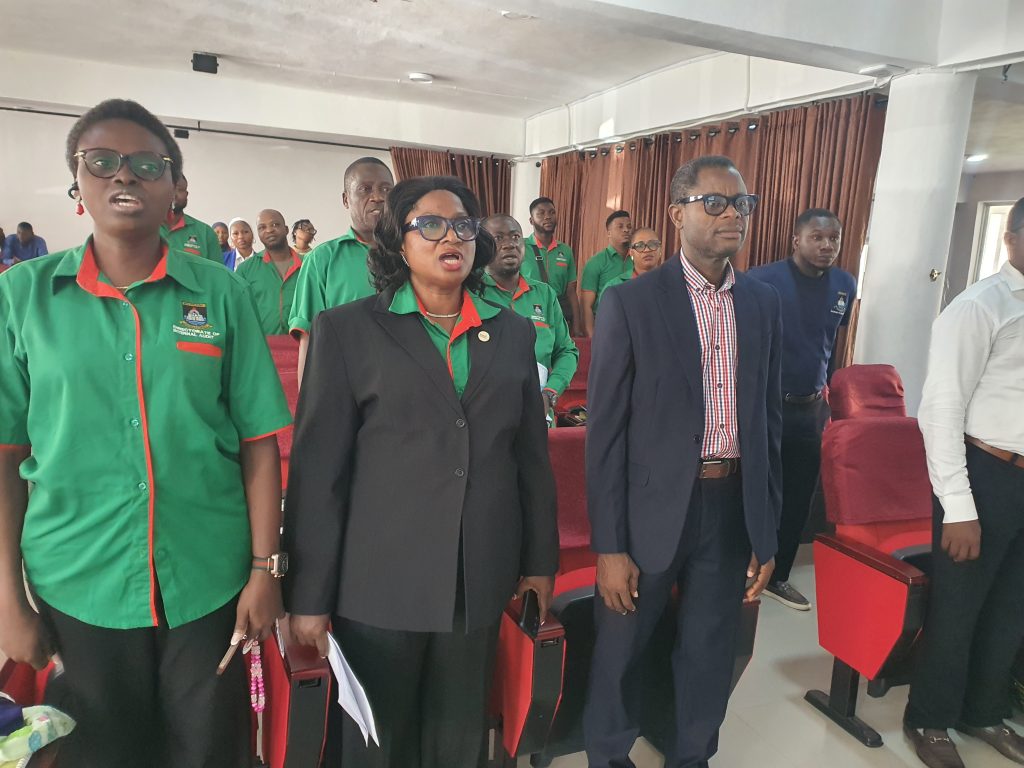
She expressed confidence that the training would further equip staff members to become more effective auditors and enhance their overall output, and performance.
The first speaker, Mr Oyibo-Rhokaye Okenekevwe Erere, Manager, IT Portfolio Programme, MTN Nigeria, delivered a presentation on the topic: “Internal Audit in the Age of Automation and AI”
Speaking on the evolving nature of internal auditing, Mr Erere explained that the profession is undergoing significant transformation driven by digitisation, automation and data intelligence, adding that, auditing has moved from traditional approaches to continuous AI-enabled processes.
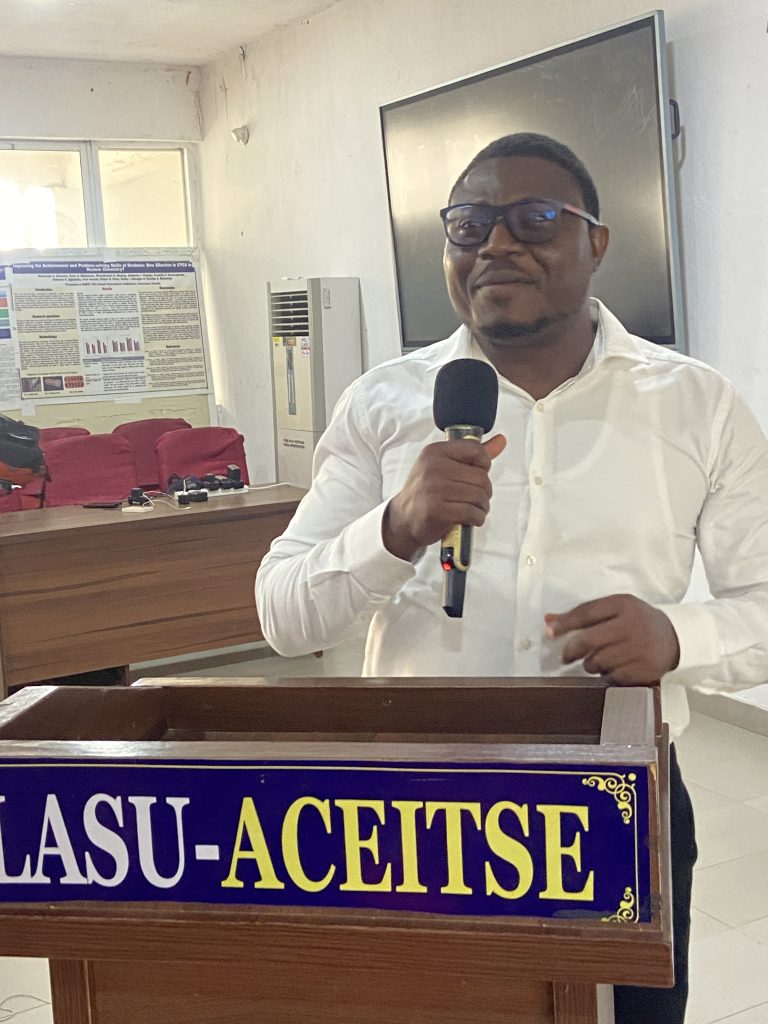
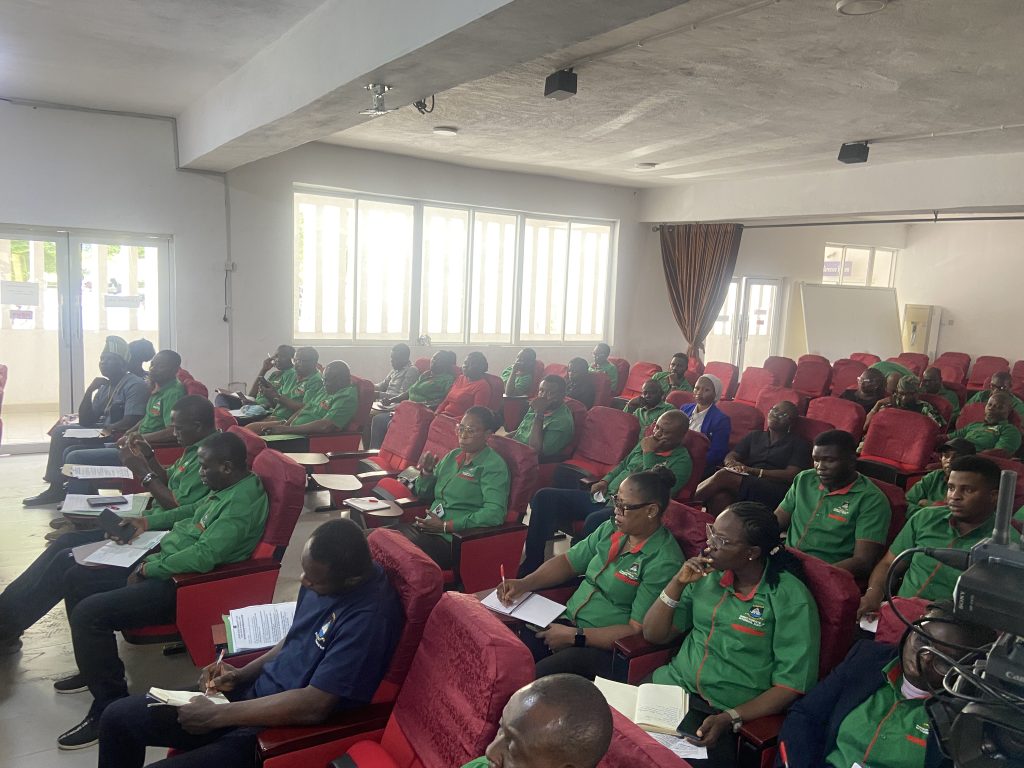
He highlighted emerging technologies shaping internal auditing to include; robotic process automation, machine learning and data analytics, noting that, artificial intelligence now supports auditors in anomaly detection, fraud identification, reduction of human error, risk prediction and large-scale data analysis.
Mr Erere identified increased efficiency, improved accuracy, faster reporting and predictive risk management as major benefits of Artificial Intelligence (AI) integration. However, he cautioned against challenges such as cybersecurity threats, overreliance on technology, high implementation costs and concerns around data quality. He introduced participants to various Artificial Intelligence (AI) and project management tools while emphasising that human judgement, professional scepticism and ethical standards remain irreplaceable. He maintained that the auditor of the future must combine financial expertise with technological proficiency.
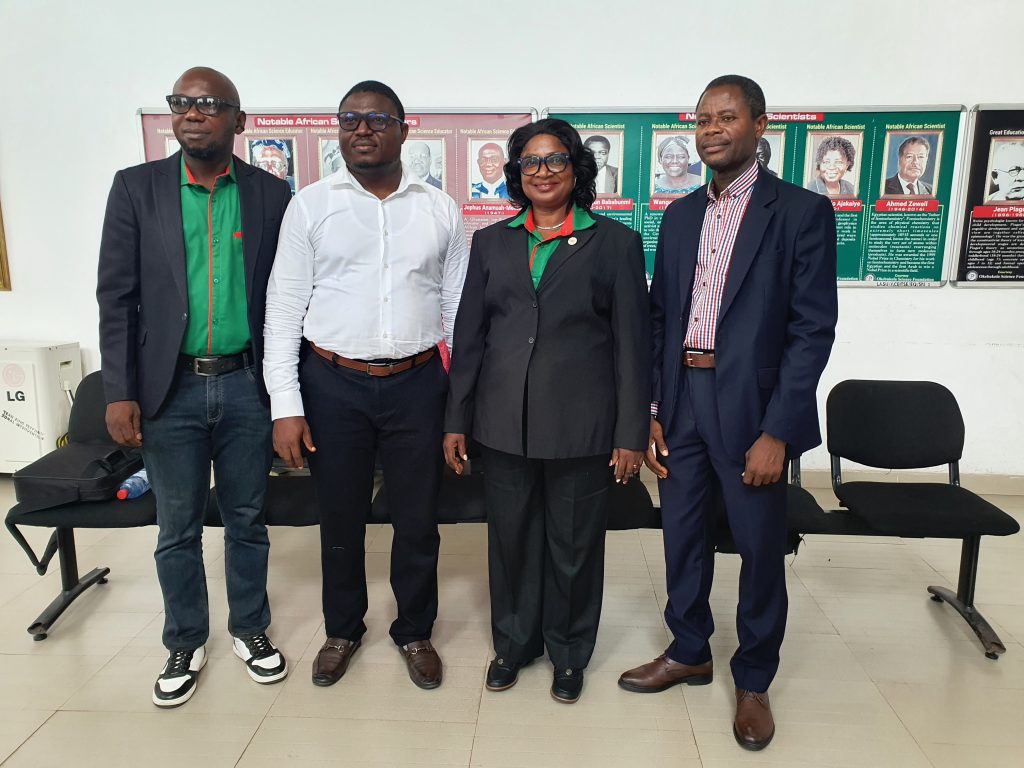
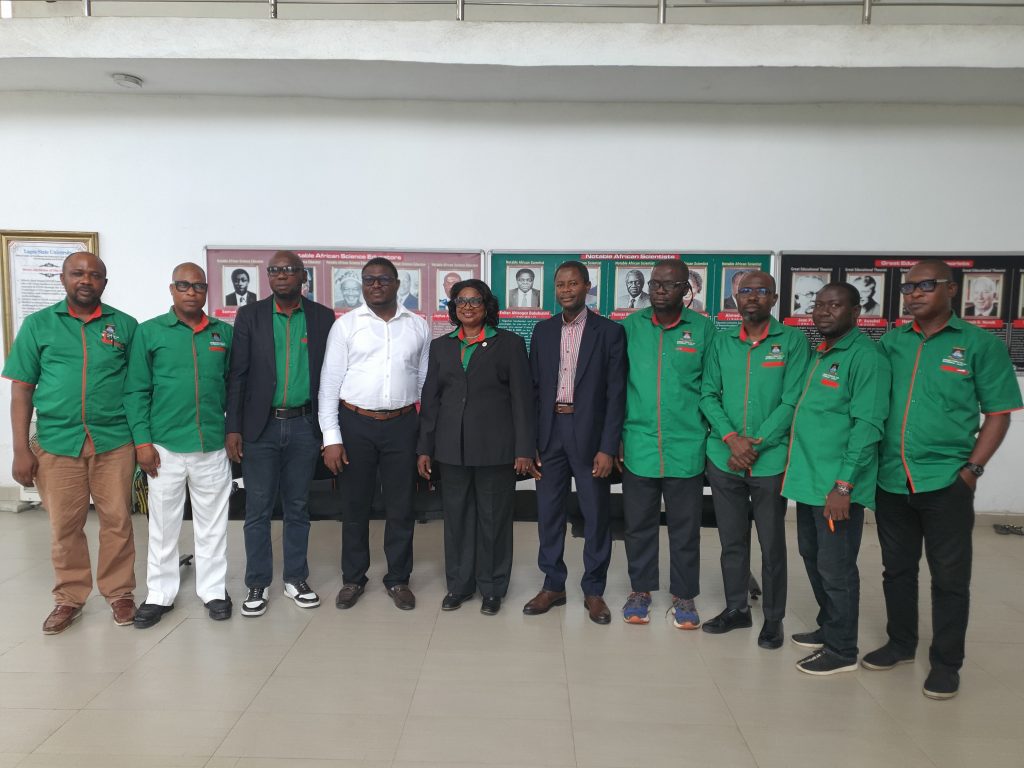
Recognising the importance of staff well-being and productivity, the second speaker who is also the Deputy Director and Head, Medical and Health Services, Epe Campus of the University, Dr Olasunkanmi Lukman OLUSESI focused on “Health Management”
Speaking on “Andropause, Menopause and Stress Management for Executive Managers” Dr Olusesi described the session as an internal biological audit for auditors and stressed that workplace pressure often causes individuals to neglect critical health indicators.
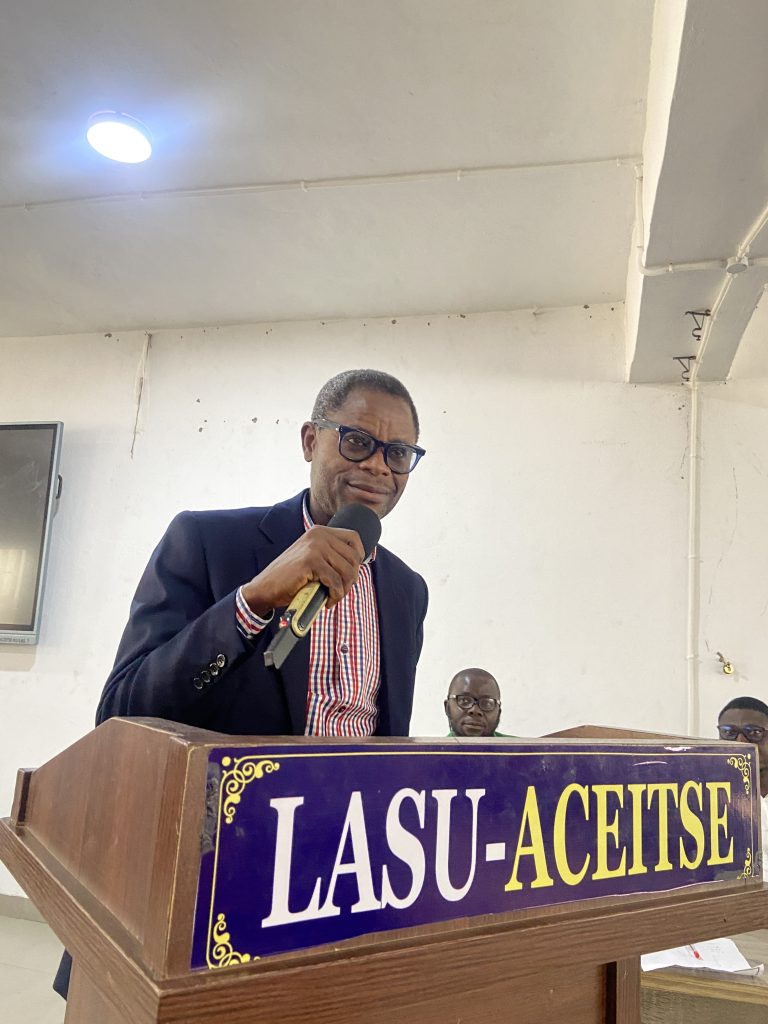
According to him, prolonged neglect can negatively impact health and reduce workplace productivity through poor sleep patterns, hormonal imbalance and unhealthy weight gain. Using the phrase, “Your body keeps minutes of every meeting your mind attends”
Dr Olusesi encouraged participants to prioritise preventive healthcare.He advised staff members to regularly monitor their blood pressure, cholesterol levels, body weight and blood sugar levels. He further recommended a minimum of seven hours of sleep as a performance enhancer, encouraged at least 30 minutes of daily walk, and simple physical activities such as climbing stairs, and urged participants never to miss health appointments.
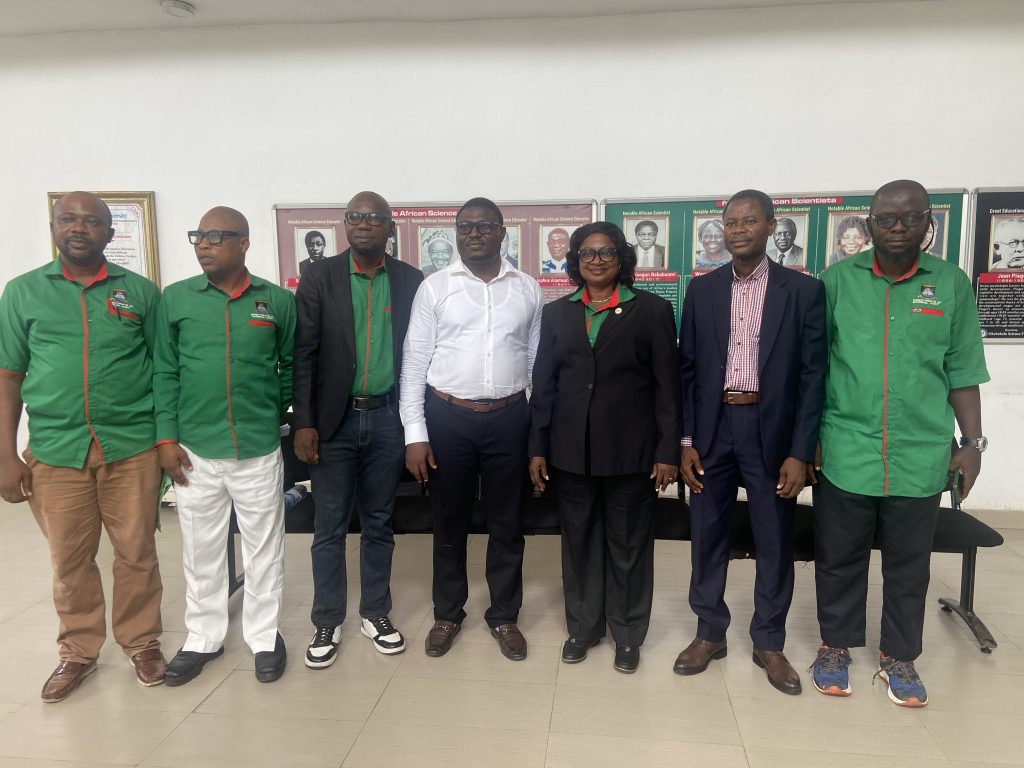
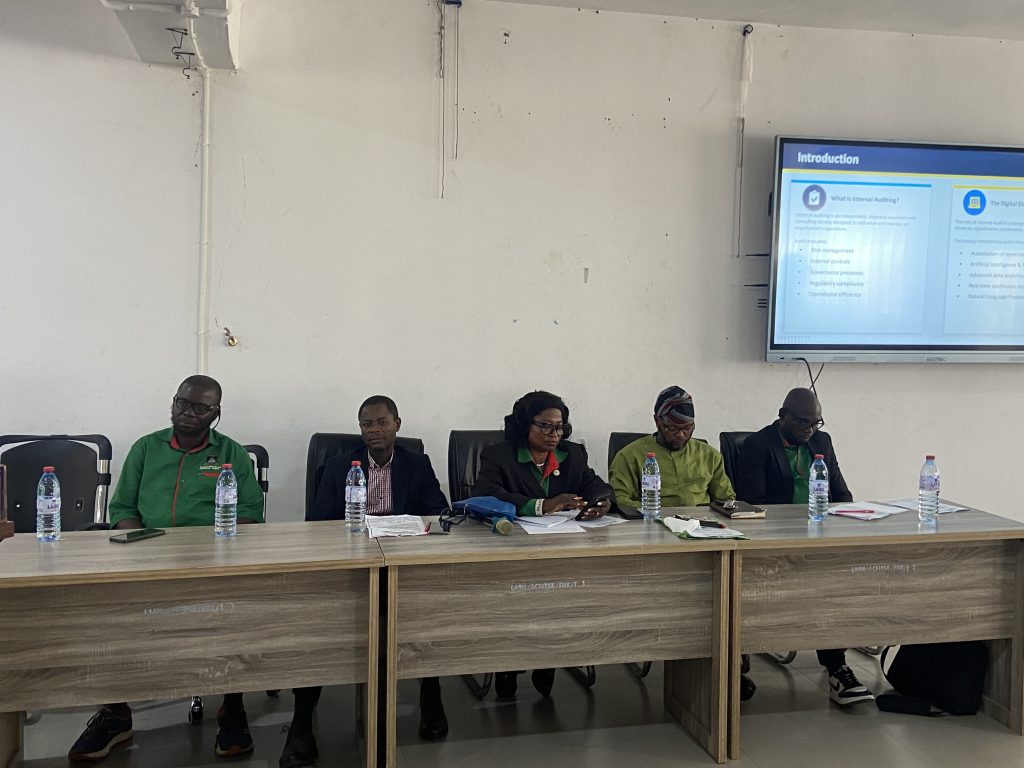
He also highlighted prayer, meditation and deep breathing as important recovery practices, stating that “Recovery is maintenance”Closing his presentation, he reminded participants that “The greatest leadership responsibility is not managing an organisation; it is leading yourself well enough to remain healthy, energetic and available for the people who depend on you”
The final presentation, titled “Internal Audit and Report Writing,” was delivered by the Deputy Director, Internal Audit, Lagos State University, Mr Olatunde Temitope LAWAL, FCA.
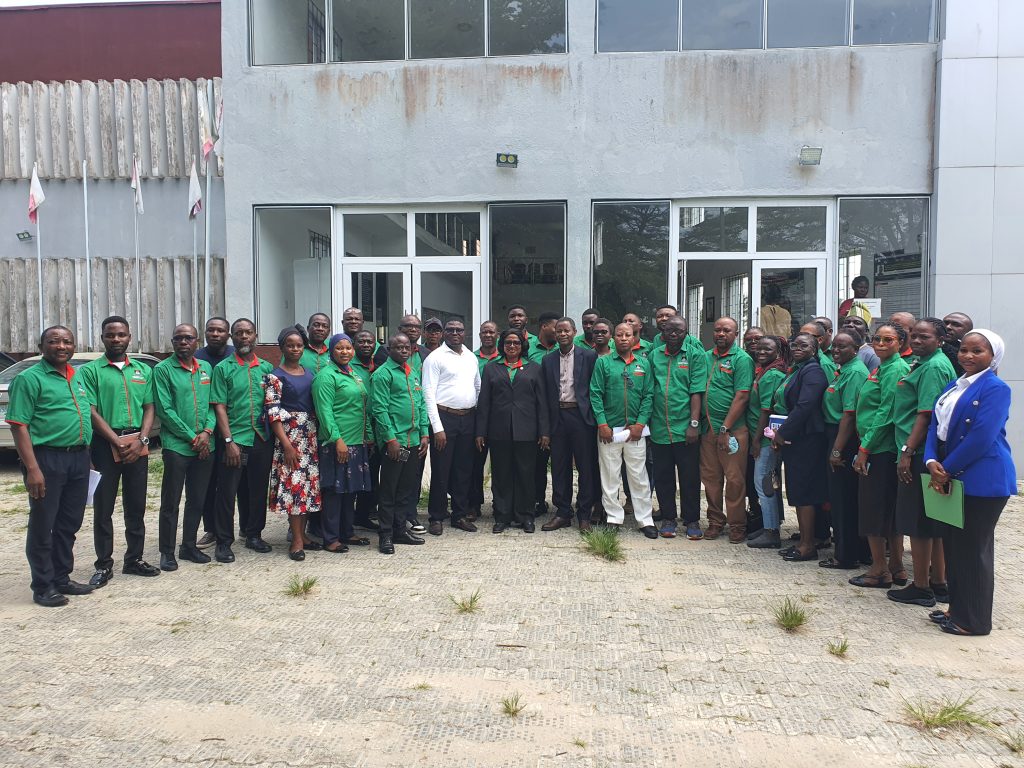
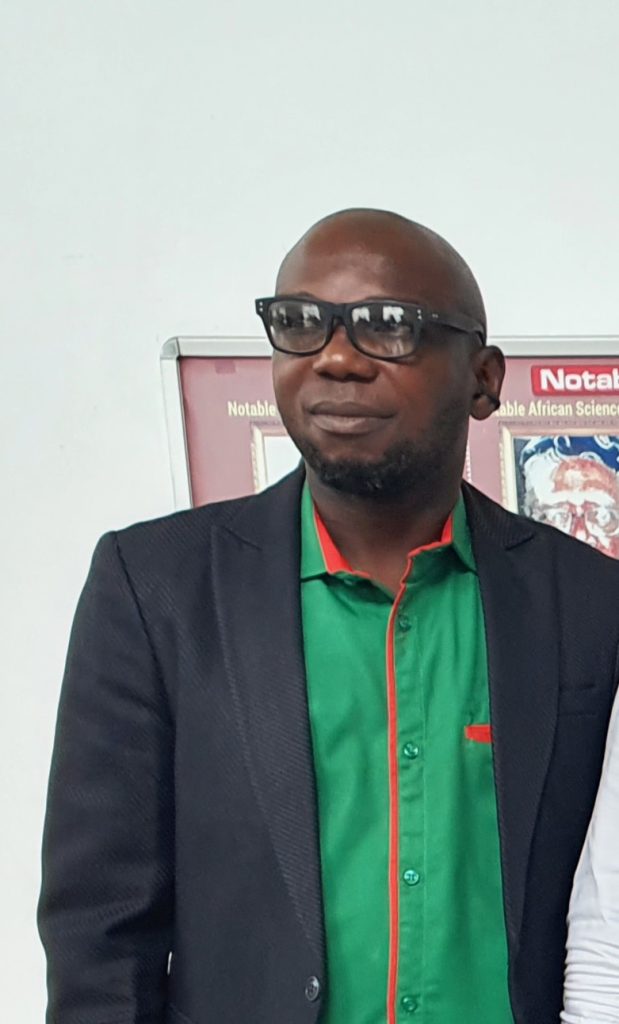
Mr Lawal discussed the objectives and guiding principles of internal auditing, emphasising professionalism and ethical conduct in audit practice. He also examined the purpose and structure of audit reporting, the essential qualities of an effective auditor, including accuracy, objectivity and timeliness, as well as the common challenges associated with report writing and practical solutions for overcoming them.
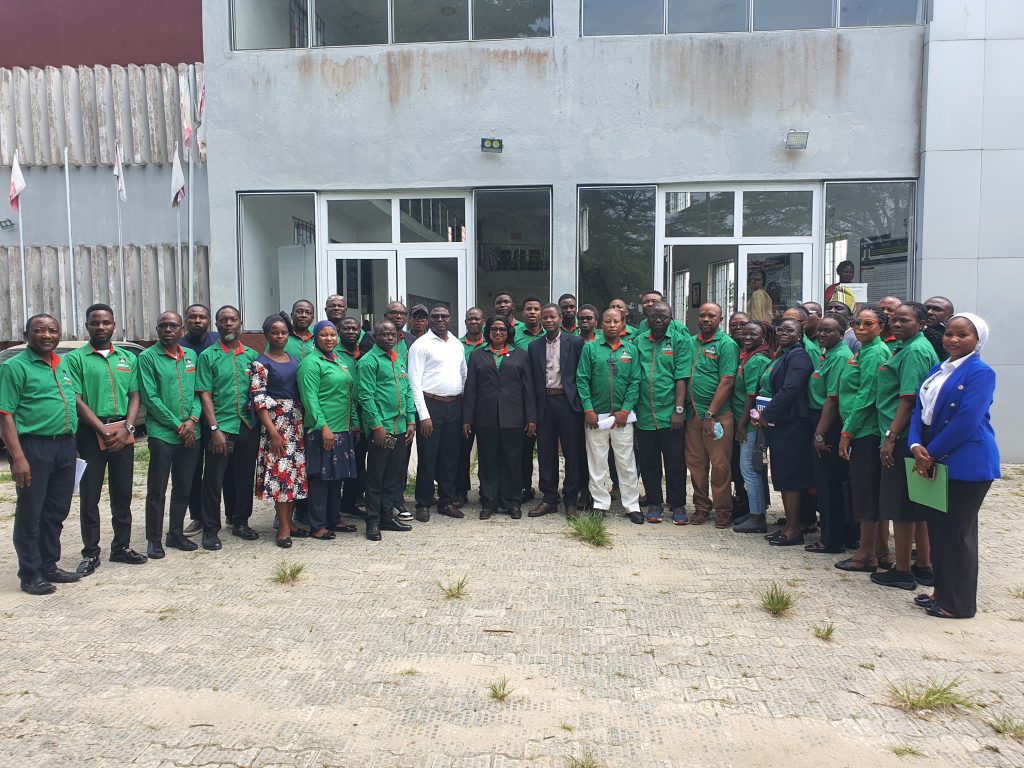
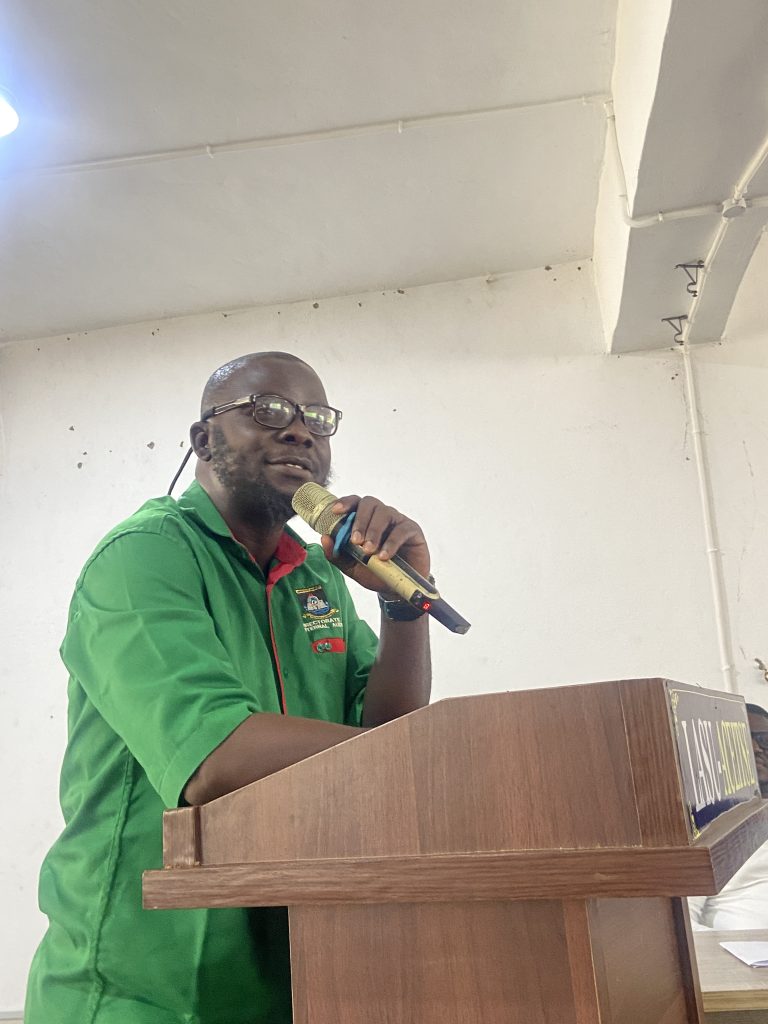
The programme concluded with an interactive questions-and-answers session, after which the Chairman of the Internal Training Committee, Mr Salawu Tunji *SAID* FCA, delivered the vote of thanks.
We are LASU, We are Great!